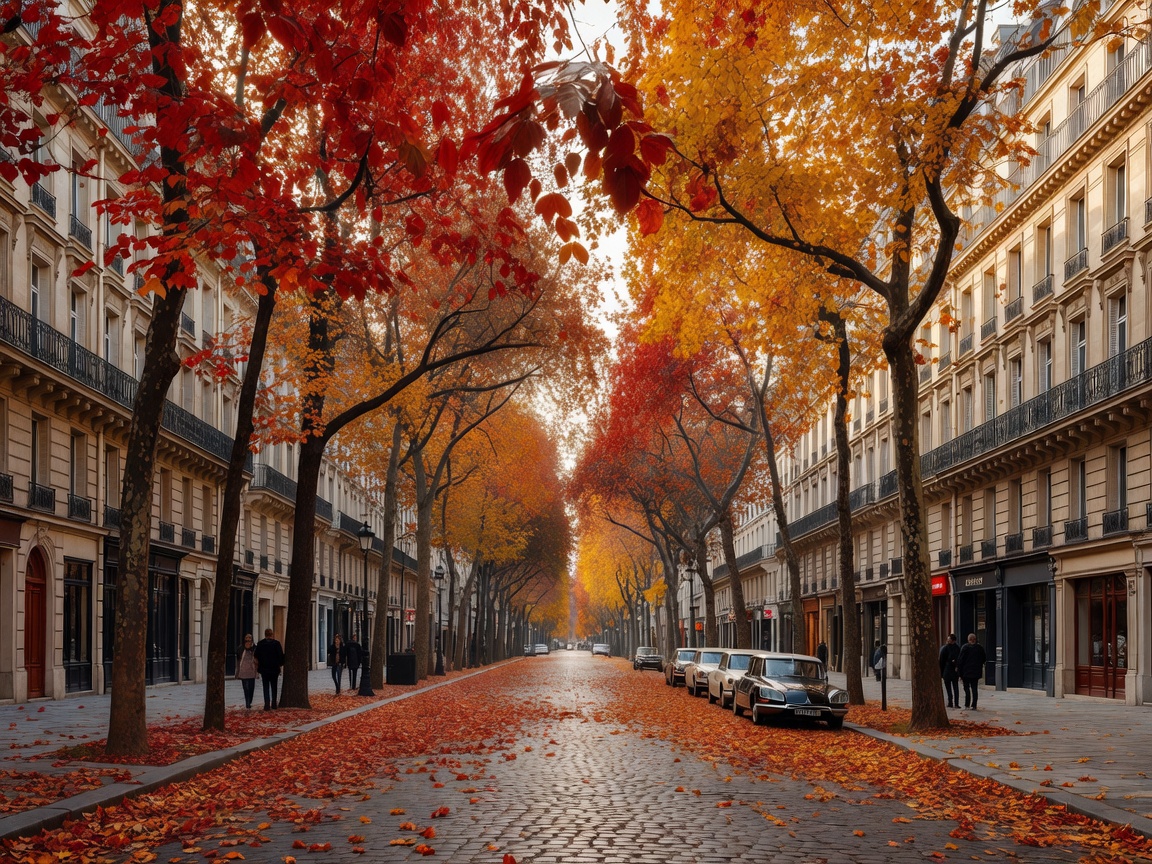
Paris is one of Europe’s safest autumn bets. September can still feel summery, while November brings short days and proper coat weather, but the city’s indoor culture makes both workable. Expect roughly 15–22°C in September, 11–17°C in October and 7–12°C in November. Pack layers, a compact umbrella and shoes with grip for polished pavements.
Choose your base
Le Marais is a convenient all-rounder, with medieval lanes, independent shops and quick access to the Centre Pompidou area. Saint-Germain-des-Prés is excellent for galleries, cafés and evening walks, though rooms cost more. Canal Saint-Martin gives you a more local rhythm, while Montmartre is atmospheric and often better value if you do not mind hills.
A generous two-day route
Begin at the Musée de l’Orangerie or Musée d’Orsay, reserving timed entry in advance. Walk through the Tuileries, cross the Seine and finish with an early dinner in Saint-Germain. On the second day, start at Marché des Enfants Rouges, continue through Place des Vosges and walk towards Île Saint-Louis. If rain arrives, use the covered passages near Grands Boulevards.
Food worth planning around
Autumn menus bring mushrooms, squash, game and late grapes. Look for a neighbourhood bistro with a short handwritten menu instead of a restaurant beside a landmark. Bakeries are ideal for breakfast, while a fixed-price lunch often offers better value than dinner. For a picnic, buy cheese, fruit and bread from a market.
What to skip
Do not stack Versailles, the Louvre and a Seine cruise into one weekend. Versailles consumes most of a day, while the Eiffel Tower is best approached with a timed ticket. Paris rewards repetition: one excellent museum, one long walk and two good meals beat six rushed photo stops.